Top Landscaping Trends in 2026: Vertical Gardens, Fountains, and Smart Irrigation
Outdoor spaces are no longer treated as secondary design elements. In 2026, landscapes are engineered environments that combine aesthetics, sustainability, and intelligent technology. Landscaping Trends 2026 reflect a clear shift toward functional beauty—spaces that conserve resources, enhance wellness, and increase property value while remaining visually striking.
We are seeing a strong convergence of design innovation and environmental responsibility. Vertical gardens, water features, and smart irrigation systems are leading this transformation, redefining how residential, commercial, and public landscapes are planned and maintained.
Why Landscaping Trends 2026 Are Redefining Outdoor Design
The global focus on sustainability, water efficiency, and urban space optimization has reshaped outdoor design priorities. Landscaping Trends 2026 emphasize multi-purpose landscapes that balance luxury with practicality.
Modern landscapes must now:
Use less water
Require lower maintenance
Adapt to climate variability
Integrate smart technology
This shift has elevated landscaping from decoration to infrastructure.
Vertical Gardens: Maximizing Green Space in Minimal Areas
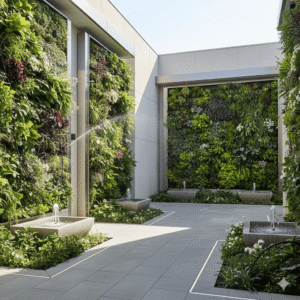
Vertical gardens are one of the most influential Landscaping Trends 2026, especially in urban environments where space is limited.
The Rise of Vertical Landscaping
Vertical gardens allow greenery to grow upward instead of outward. Living walls, green facades, and modular vertical planters are becoming standard features in:
Urban homes
Commercial buildings
Hotels and resorts
Office campuses
These systems improve air quality, reduce heat absorption, and introduce nature into dense environments.
Design Benefits of Vertical Gardens
Vertical gardens deliver both aesthetic and functional value:
Visual depth and texture
Natural insulation for buildings
Noise reduction
Improved mental well-being
As part of Landscaping Trends 2026, vertical gardens are no longer accent features—they are central design elements.
Integration with Smart Irrigation
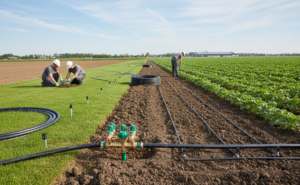
To remain efficient, vertical gardens rely on automated drip irrigation systems. Smart irrigation ensures even water distribution, prevents runoff, and reduces maintenance costs, reinforcing the sustainability goals of Landscaping Trends 2026.
Water Features and Fountains: Functional Elegance
Water features are returning with a modern purpose. In Landscaping Trends 2026, fountains are designed not just for beauty, but for efficiency and environmental balance.
Modern Fountain Designs
Today’s fountains are minimalist, geometric, and integrated into the landscape rather than standing apart. Popular styles include:
Reflecting pools
Wall-mounted fountains
Recirculating water features
Natural stone water elements
These designs align with the refined aesthetic driving Landscaping Trends 2026.
Water Conservation in Fountain Systems
Modern fountains are engineered to minimize water loss through:
Closed-loop recirculation
Evaporation control
Smart pumps and sensors
Water-efficient fountains demonstrate how Landscaping Trends 2026 blend luxury with responsibility.
Cooling and Microclimate Benefits
Water features naturally cool surrounding air. When strategically placed, fountains help regulate microclimates, making outdoor spaces more comfortable during high temperatures—a practical advantage within Landscaping Trends 2026.
Smart Irrigation: The Backbone of Modern Landscaping
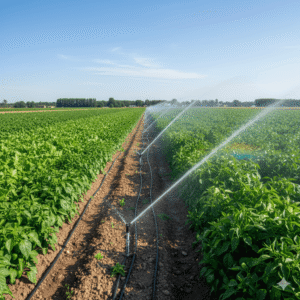
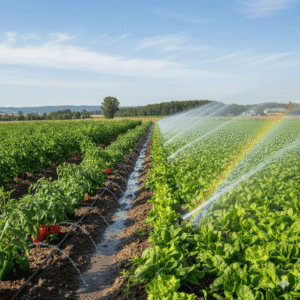
No discussion of Landscaping Trends 2026 is complete without smart irrigation. Intelligent water management has become essential, not optional.
Technology-Driven Water Management
Smart irrigation systems use:
Soil moisture sensors
Weather-based controllers
Automated scheduling
Zone-specific watering
These technologies ensure water is applied only when and where needed, eliminating waste.
Reduced Maintenance and Operating Costs
One of the strongest drivers behind Landscaping Trends 2026 is cost efficiency. Smart irrigation reduces:
Manual labor
Emergency repairs
Water bills
Plant replacement
Maintenance becomes predictive rather than reactive.
Integration with Vertical Gardens and Lawns
Smart irrigation systems are designed to support diverse landscapes. Vertical gardens, turf, shrubs, and trees can all be managed through a single controller, reinforcing the integrated approach of Landscaping Trends 2026.
Sustainable Plant Selection and Native Landscaping
Plant choices are evolving alongside technology. Landscaping Trends 2026 prioritize:
Native plants
Drought-tolerant species
Low-maintenance vegetation
These plants require less water and adapt better to local climates, reducing dependency on irrigation.
Biodiversity and Ecosystem Support
Native landscaping supports pollinators, birds, and soil health. This ecological focus is a defining element of Landscaping Trends 2026, aligning outdoor design with environmental stewardship.
Hardscaping with Purpose
Hardscaping materials are also evolving. Permeable pavers, recycled stone, and modular hardscape systems are widely adopted in Landscaping Trends 2026.
These materials:
Improve drainage
Reduce runoff
Support groundwater recharge
Hardscaping is now engineered to work with nature, not against it.
Lighting as a Design and Safety Feature
Outdoor lighting is increasingly integrated into landscape architecture. LED and solar-powered lighting solutions highlight vertical gardens, fountains, and pathways while maintaining energy efficiency.
Lighting plays a dual role in Landscaping Trends 2026:
Enhancing visual appeal
Improving safety and usability
Commercial and Residential Applications
Landscaping Trends 2026 apply across sectors:
Residential properties focus on comfort and wellness
Commercial landscapes emphasize brand identity
Public spaces prioritize durability and sustainability
The common denominator is intelligent design supported by smart infrastructure.
Long-Term Value of Following Landscaping Trends 2026
Investing in modern landscaping delivers measurable returns:
Increased property value
Lower water and maintenance costs
Enhanced user experience
Regulatory compliance
Landscapes designed around Landscaping Trends 2026 are future-ready and resilient.
Conclusion
Landscaping Trends 2026 represent a fundamental shift in how outdoor spaces are designed, built, and maintained. Vertical gardens redefine space utilization, fountains deliver sustainable elegance, and smart irrigation systems ensure efficiency at every level.
Together, these trends create landscapes that are visually compelling, environmentally responsible, and economically sustainable. The future of landscaping is intelligent, integrated, and purpose-driven—and it is already here.