How Modern Irrigation Systems Help Save Water and Reduce Maintenance Costs
Water efficiency and operational sustainability are no longer optional in today’s agricultural and landscaping environments. With rising water scarcity, increasing utility costs, and growing pressure to maintain healthy crops and landscapes, modern irrigation systems have become a critical solution. We rely on advanced irrigation technologies to deliver precise water application while minimizing waste, labor, and long-term maintenance expenses.
This article explores how modern irrigation systems are transforming water management, improving efficiency, and significantly reducing maintenance costs across farms, gardens, and commercial landscapes.
The Evolution of Modern Irrigation Systems
Traditional irrigation relied heavily on manual watering or inefficient flooding methods. These approaches resulted in excessive water use, uneven distribution, and constant maintenance issues. In contrast, modern irrigation systems are designed using data-driven engineering, automation, and precision delivery.
Today’s systems integrate sensors, controllers, pressure regulators, and smart valves to ensure water is applied exactly where and when it is needed. This evolution has reshaped irrigation from a reactive process into a proactive, optimized operation.
How Modern Irrigation Systems Save Water
Precision Water Delivery
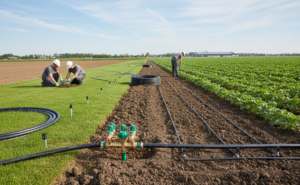
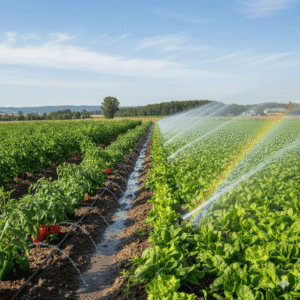
One of the most impactful benefits of modern irrigation systems is precise water delivery. Systems such as drip irrigation and micro-sprinklers deliver water directly to the root zone, eliminating overspray and runoff.
This targeted approach ensures:
Reduced evaporation loss
Consistent soil moisture levels
Improved plant water absorption
By delivering water only where required, modern irrigation systems can reduce water usage by up to 50% compared to traditional methods.
Smart Controllers and Automation
Smart controllers are the backbone of modern irrigation systems. These controllers automatically adjust watering schedules based on real-time data such as:
Weather conditions
Soil moisture levels
Seasonal plant requirements
Automation prevents overwatering and ensures irrigation cycles are optimized without manual intervention. This not only saves water but also eliminates human error, which is a major source of water waste.
Weather-Based Irrigation Scheduling
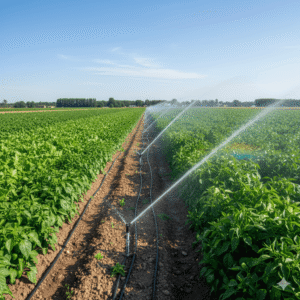
Weather-responsive technology is a defining feature of modern irrigation systems. Rain sensors and climate-based controllers stop irrigation during rainfall or high humidity conditions.
This intelligent scheduling:
Prevents unnecessary watering
Protects soil structure
Conserves water resources
As a result, water is never applied when nature already provides sufficient moisture.
Reducing Maintenance Costs with Modern Irrigation Systems
Lower System Wear and Tear
Older irrigation systems often operate under high pressure, leading to frequent pipe bursts, leaking joints, and sprinkler head failures. Modern irrigation systems are engineered to operate at optimal pressure levels, significantly reducing mechanical stress.
This results in:
Fewer repairs
Longer system lifespan
Reduced replacement costs
Minimized Clogging and Blockages
Advanced filtration systems are standard components of modern irrigation systems. These filters remove debris and sediment before water reaches emitters or sprinkler heads.
Cleaner water flow means:
Fewer clogged emitters
Consistent water distribution
Reduced maintenance labor
This is especially valuable for drip irrigation systems, where precision is critical.
Remote Monitoring and Diagnostics
Remote monitoring technology allows system performance to be tracked in real time. With modern irrigation systems, we can identify leaks, pressure irregularities, or malfunctioning zones immediately.
This proactive approach:
Prevents costly damage
Reduces emergency repairs
Saves labor hours
Maintenance becomes predictable rather than reactive.
Energy Efficiency and Cost Reduction
Energy consumption is a major operational expense in irrigation. Modern irrigation systems are designed to function efficiently at lower pressure levels, reducing energy demand.
Lower energy usage translates to:
Reduced electricity or fuel costs
Improved pump efficiency
Sustainable long-term operation
When energy efficiency and water conservation work together, the financial savings compound over time.
Improved Plant Health and Reduced Replacement Costs
Healthier plants require less intervention. Modern irrigation systems deliver uniform moisture, preventing stress caused by overwatering or underwatering.
Consistent irrigation leads to:
Stronger root systems
Reduced disease pressure
Higher crop yields
Healthier plants mean fewer replacements, lower fertilizer waste, and reduced labor costs.
Adaptability Across Applications
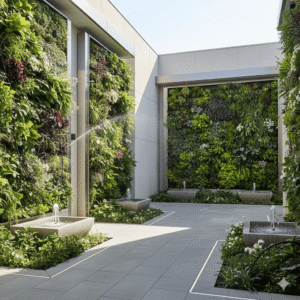
Modern irrigation systems are highly adaptable and scalable, making them suitable for:
Agricultural farms
Residential gardens
Commercial landscapes
Greenhouses and nurseries
System designs can be customized based on crop type, soil conditions, terrain, and climate. This adaptability ensures optimal performance regardless of scale.
Sustainability and Regulatory Compliance
Water regulations are becoming increasingly strict in many regions. Modern irrigation systems help ensure compliance with water usage guidelines by monitoring consumption and reducing waste.
Sustainable irrigation practices:
Protect natural water resources
Support environmental stewardship
Improve public and regulatory perception
Sustainability is no longer a trend—it is an operational requirement.
Long-Term Financial Benefits
While the initial investment in modern irrigation systems may be higher, the long-term savings far outweigh the upfront cost. Reduced water bills, lower maintenance expenses, energy efficiency, and improved yields create a strong return on investment.
Over time, these systems pay for themselves while delivering consistent performance and reliability.
Why Modern Irrigation Systems Are the Future
Efficiency, automation, and sustainability define the future of irrigation. Modern irrigation systems combine advanced technology with practical design to address today’s water and maintenance challenges.
They are not simply an upgrade—they are a strategic investment in resource management, operational efficiency, and long-term success.
Conclusion
Modern irrigation systems play a vital role in saving water and reducing maintenance costs across agricultural and landscaping applications. Through precision delivery, smart automation, reduced energy usage, and proactive maintenance, these systems provide measurable benefits that extend well beyond irrigation itself.
By adopting modern irrigation solutions, we ensure efficient water use, healthier plants, and sustainable operations for years to come.